
No products in the cart.
Account
Login
Cart
 Order Sample
 View Bestsellers
 Fast Delivery
Bathroom Tiles
Top Ceramics stocks hundreds of bathroom tiles from £13.89/m², including metro, marble effect, hexagon and large-format styles in gloss, matt and stone effect finishes. Shop online, order free samples and benefit from fast UK delivery.
Filters
Showing 1–24 of 160 results
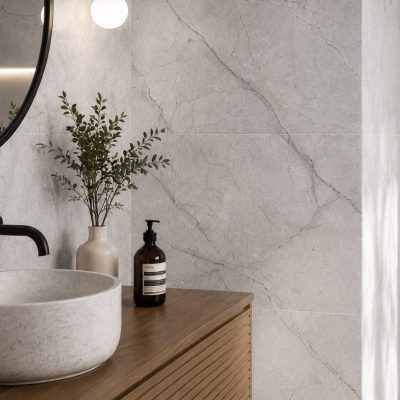
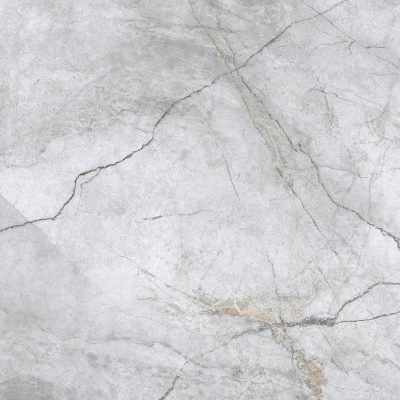
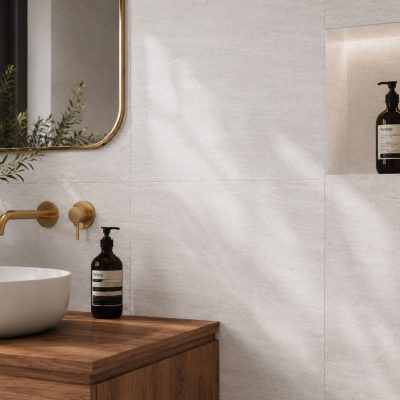
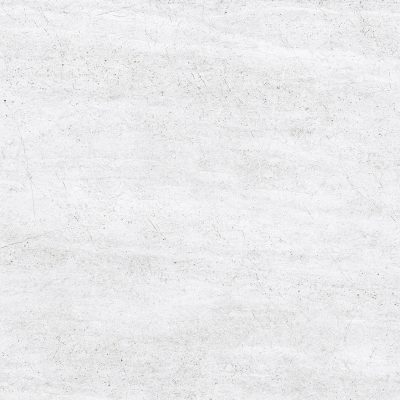
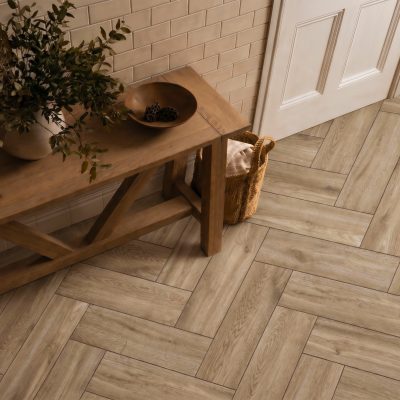
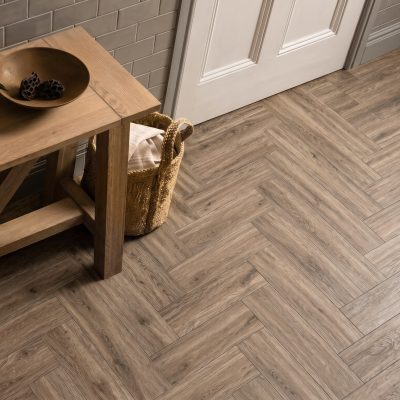
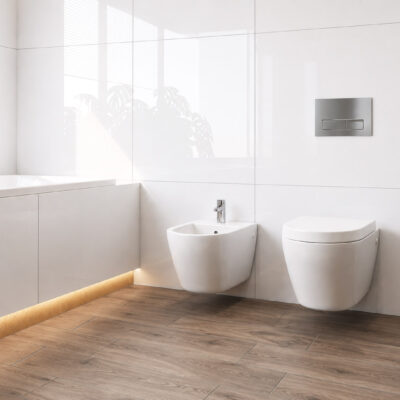


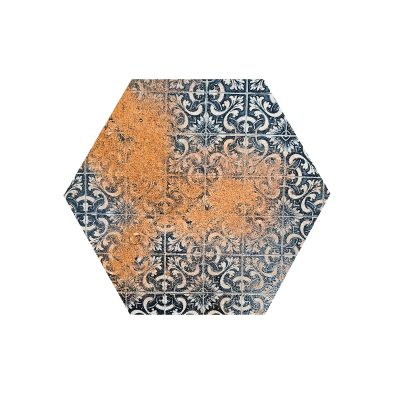


Choose bathroom tiles by style
The style of your tiles sets the tone for the entire bathroom, which is why it is a useful place to start. From classic metro and marble effect to decorative hexagons and contemporary large formats, Top Ceramics offers options for both traditional and modern interiors. Choose a style first, then compare colours, formats and finishes to find the right match for your project.
Metro bathroom tiles – classic and multipurpose
Metro tiles are an enduring classic of bathroom design, working equally well in industrial-inspired schemes, traditional interiors and clean Scandinavian spaces. Their rectangular format makes them particularly suitable for bathroom walls and splashbacks, with 7.5×30 cm currently one of the most popular choices for a modern metro look. Gloss and matt finishes also give you flexibility when creating the desired atmosphere.
7.5×30 cm metro tiles offer a slim, elongated profile that can give bathroom walls a more contemporary and streamlined appearance. The traditional 10×20 cm format is also available, although it is a less popular choice today.
Gloss white metro tiles work particularly well on bathroom walls in compact rooms, reflecting light and helping the space feel larger. Browse our full range of metro tiles for bathroom in a choice of colours including white, grey, green and black.
Marble effect bathroom tiles – luxury look for less
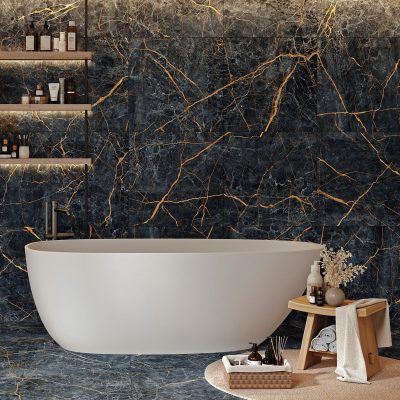
Marble effect tiles deliver the look of a luxury stone bathroom without the weight, cost or maintenance demands of natural marble. Veined surfaces work particularly well in larger formats such as 60×120 cm and 60×60 cm, creating a more continuous appearance with fewer grout lines.
Available in light and neutral colourways as well as more distinctive designs, marble effect tiles can be used across walls and, where the technical specification allows, floors. Explore our marble bathroom tiles to compare colours, formats and finishes.
Hexagon bathroom tiles – statement feature walls
The hexagon format works well when you want to introduce a stronger geometric element without covering every surface in a pattern. Smaller hexagons can create a mosaic effect, while larger formats make a more noticeable feature wall or bathroom floor.
Matt and gloss options allow you to adapt the look to the rest of the room, from understated neutral schemes to more decorative interiors. Discover the full hexagon bathroom tiles collection for floors and walls.
Large format 120x60cm bathroom tiles – modern minimalism
Large-format 120×60 cm bathroom tiles are suited to contemporary bathrooms where reducing grout lines is part of the design. Fewer joints create a cleaner, more spacious appearance and can make the surface easier to maintain.
Large porcelain formats work particularly well across bathroom walls, floors and wet-room interiors, provided the individual product is suitable for the intended application. Browse the range and compare large formats with smaller tiles before choosing your final layout.
Bathroom tiles by finish: high gloss, matt and satin
The finish affects both the appearance and practicality of bathroom tiles, particularly in areas exposed to water. High gloss, matt and satin surfaces each create a different visual effect, so consider where the tile will be installed as well as the style you want to achieve.
High gloss bathroom tiles – our bestselling finish
High gloss is one of the most popular finishes because it reflects light and can make a bathroom feel brighter and more spacious. The smooth surface is also straightforward to wipe clean, making gloss particularly useful for bathroom walls, splashbacks and shower areas.
Explore our bestselling high gloss bathroom tiles and compare available colours and formats.
Matt bathroom tiles – practical for wet areas
Matt tiles create a softer appearance with less reflection than gloss surfaces and are widely used on bathroom floors and in contemporary shower areas. When shopping for matt tiles for bathroom projects, always check the individual product specification for its slip-resistance rating and intended application.
Matt finishes are available across formats from around 30×60 cm through to 120×60 cm, making them suitable for both compact and larger bathrooms.
Stone effect bathroom tiles – textured and anti-slip options
Stone effect tiles combine the appearance of natural stone with the consistency and easier maintenance of ceramic or porcelain. Textured surfaces can also provide additional grip where the product has the appropriate technical rating.
For bathroom tiles stone effect designs, look for products with an appropriate slip-resistance classification such as R10 or R11 when they are intended for floors or wet areas. Stone effect finishes work particularly well in walk-in showers, wet rooms and bathrooms inspired by natural materials.
Bathroom tiles by colour
Colour can define the atmosphere of a bathroom and influence how large or bright the room feels. The range covers both timeless neutrals and stronger shades, allowing you to create anything from a simple, light bathroom to a darker, more dramatic interior.
Green bathroom tiles – the most popular colour in 2026
Green is the most popular colour in 2026, with shades ranging from muted sage and mint through to deeper forest and emerald tones. Sage green works particularly well with warm white grout, natural wood and stone-inspired finishes, making it a natural choice for biophilic and Japandi-style bathrooms.
Deeper forest and emerald shades create stronger feature walls and shower enclosures, while mint and softer greens offer a lighter alternative for smaller rooms.
White bathroom tiles – timeless choice
White bathroom tiles remain one of the most versatile choices, from classic 10×20 cm metro formats through to contemporary 120×60 cm large-format tiles. Gloss white surfaces reflect light particularly well, while matt white creates a softer, more understated finish.
White tiles are also easy to combine with different fittings, flooring and accessories, making them a practical choice when you want a bathroom design that can be updated over time.
Black bathroom tiles – bold and dramatic
Black tiles create a stronger, more dramatic bathroom scheme and work particularly well in industrial and luxury-inspired interiors. Pairing matt or gloss black tiles with white sanitaryware creates a clear contrast, while brass and brushed-gold fittings can add warmth.
Choose between gloss and matt finishes, depending on the level of reflection and visual depth you want to achieve.
Blue and pink bathroom tiles
Blue remains timeless across bathroom styles, from deep navy and teal to softer powder blue shades. Pastel pinks can create a warmer, softer look and work particularly well in Scandinavian-inspired interiors. If you are choosing a colour-led tile, order a free sample to check the shade against your bathroom lighting, fittings and existing finishes before placing a full order.
Bathroom floor vs wall tiles – what’s the difference?
The main difference between bathroom floor and wall tiles is their technical performance. Floor tiles need to cope with foot traffic and provide suitable slip resistance, while wall tiles do not normally require the same load-bearing or slip-resistance characteristics.
Which tiles are safe for bathroom floors?
For wet domestic areas, choose bathroom floor tiles with an appropriate slip-resistance rating, such as R10 or above where specified for the intended application. Porcelain is a common choice because it is dense, durable and has low water absorption.
Popular bathroom floor tile formats include 30×30 cm, 30×60 cm, 60×60 cm and larger 60×120 cm formats. Always check the individual product specification rather than assuming that every tile in a particular collection is suitable for flooring.
See our full range of bathroom floor tiles and compare products by format and technical specification.
Can you use wall tiles on bathroom floors?
Generally, no. Ceramic wall tiles may not be designed for repeated foot traffic and often do not provide the slip resistance required for a bathroom floor. Their suitability for walls does not automatically make them suitable for flooring.
Porcelain floor tiles can often be used on walls as well as floors, provided the installation system is suitable for the weight and format of the tile. For wall-only options, browse our bathroom wall tiles collection.
Always check the manufacturer’s technical specification before using a tile in a different application from the one recommended.
Why buy bathroom tiles from Top Ceramics?
Top Ceramics supplies bathroom tiles online for homeowners, renovators and larger projects across the UK. The range combines different styles, formats and finishes with direct sourcing and a free sample service, making it easier to compare products before committing to a full order.
Imported from leading manufacturers – 40% less than high street
Top Ceramics sources tiles directly from leading manufacturers and sells online, helping reduce the overheads associated with a traditional showroom model. As a result, bathroom tiles can be priced up to 40% lower than comparable high-street ranges.
Order free tile samples before you buy
A tile can look different on screen from how it appears in your bathroom lighting. Free samples allow you to check the actual colour, texture, finish and scale before placing a larger order. Order samples before committing to a full quantity, particularly when choosing strong colours, marble effects or large-format tiles.
Fast UK delivery to your door
Top Ceramics delivers bathroom tiles across the UK, with options for both individual bathroom renovations and larger development projects. If you need help with quantities, delivery or product selection, contact the customer support team on 02089355591 or at support@topceramics.co.uk.
Mini-guide: how to choose the right bathroom tiles
Step 1 – Define your bathroom style
Before choosing a colour or format, decide whether your bathroom will be modern, classic, industrial or inspired by natural materials. Your chosen style can help narrow the options between metro, marble effect, hexagon and large-format tiles.
Step 2 – Choose the appropriate finish
Consider where the tile will be installed as well as the appearance you want. Matt or textured finishes can be practical options for floors and shower areas when the product has an appropriate slip-resistance rating, while high gloss works particularly well on walls where reflected light can make the room feel brighter.
Step 3 – Match the format to the room
For smaller bathrooms, formats such as 30×60 cm can reduce grout lines without creating excessive cuts around fixtures. Larger bathrooms and wet rooms can benefit from 60×120 cm or 120×60 cm formats, which create a more continuous appearance.
Step 4 – Calculate the quantity
Measure the area of each wall and floor you want to tile, then add around 10% for cuts and waste. More complex layouts, such as herringbone or hexagon patterns, may require additional allowance. For larger projects, our customer support team can help with quantity calculations.
Step 5 – Order samples
Colour and finish can look different depending on natural and artificial lighting. Order free samples and check them in your bathroom before placing a full order. For a more detailed guide, read our how to choose bathroom tiles guide covering trends, sizes and grout options.
FAQ
What are the best tiles for a small bathroom?
For small bathrooms, large-format tiles such as 60×60 cm or 60×120 cm can reduce the number of grout lines and create a more spacious appearance. Classic metro tiles laid in a brick pattern are another functional option. Light colours such as white, cream and pale grey can reflect more light, while gloss finishes can further enhance the sense of space.
Are high gloss tiles suitable for bathroom floors?
High gloss tiles can be suitable for bathroom floors when the individual product has the appropriate technical specification and slip-resistance rating for floor use. Always check the product details before purchasing. For shower areas and surfaces exposed to standing water, matt or textured finishes may be a more practical choice where they provide the required slip resistance.
How many tiles do I need for a bathroom?
Measure the length and height of each wall and the length and width of the floor to calculate the total area in square metres. Add around 10% for cuts, waste and breakages, increasing the allowance for complex patterns such as herringbone or hexagon layouts. For larger projects or unusual room shapes, our support team can help calculate the required quantity.
What is the most popular bathroom tile size?
There is no single size that suits every bathroom, but 60×120 cm and 60×60 cm are popular choices for contemporary interiors, while 7.5×30 cm metro tiles remain widely used in traditional and Scandinavian-style bathrooms. Larger formats reduce grout lines and create a more seamless appearance, while smaller formats can be easier to work around fixtures and architectural details.