Account
Login
Cart
 Order Sample
 View Bestsellers
 Fast Delivery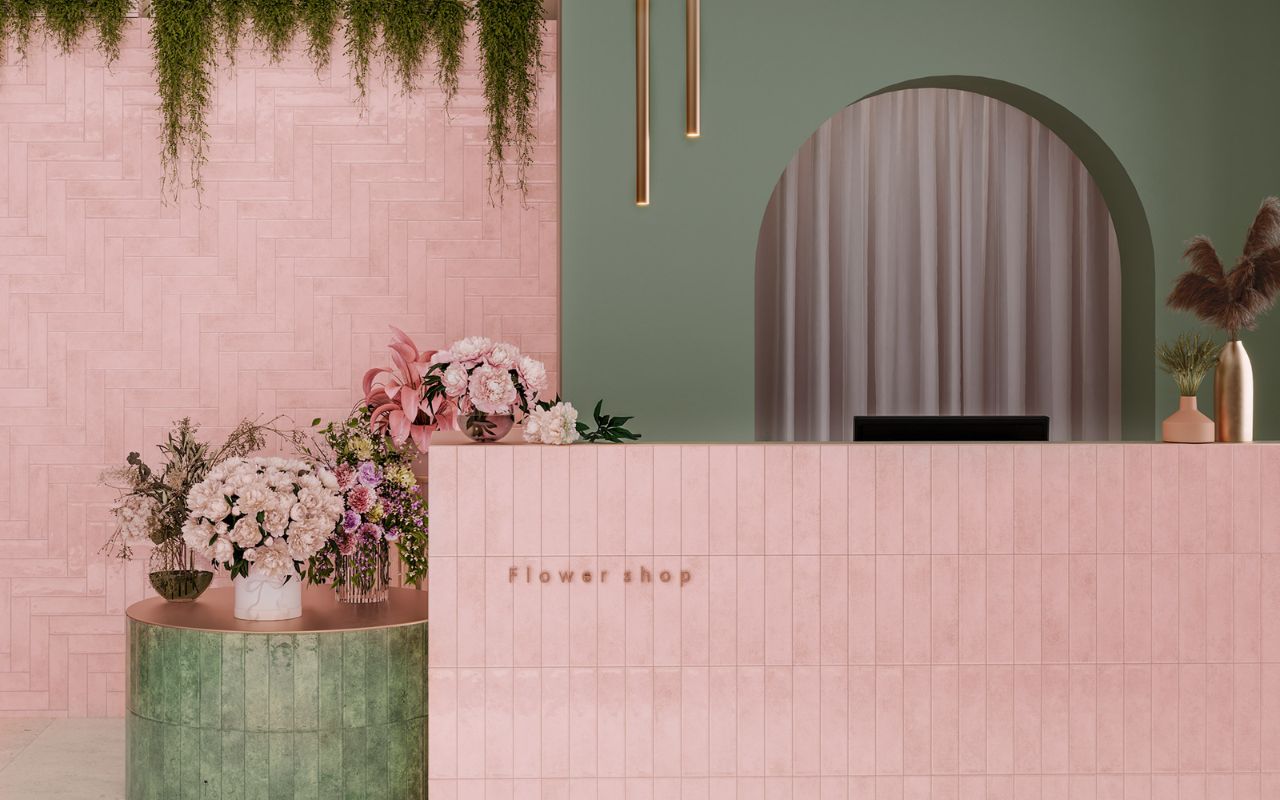
5 Creative Layout Patterns for Metro Tiles
Metro tiles can be arranged in far more creative ways than the classic brick pattern, allowing you to completely transform the look of a space without changing the tile itself. From herringbone to stacked layouts, the right pattern can alter proportions, add texture and define style. So which configuration works best for your interior?
Key takeaways
- Metro tile layout has a major impact on the look and feel of a space.
- Herringbone adds movement and creates a strong visual feature.
- Vertical and horizontal stack bond layouts offer clean, modern aesthetics.
- Basket weave patterns add a subtle decorative twist to metro tiles, creating visual interest without overwhelming the overall design.
- Offset variations refresh the classic brick pattern without overcomplicating it.
- Testing layouts before installation helps achieve a more confident final design.
Metro tiles beyond the basics
Metro tiles are often associated with the traditional brick bond layout, but limiting them to this single pattern means missing a huge design opportunity. Their simple rectangular shape is precisely what makes them so adaptable.
By changing the design, you can influence how a room feels. A straight arrangement can make ceilings appear higher, while more intricate patterns introduce movement and visual interest without adding extra materials.
When thinking beyond the basics, it helps to consider:
- the proportions of the room,
- the amount of natural light available,
- whether you want the tiles to stand out or blend in.
Exploring different layouts allows you to use the same tile in entirely different ways, making it one of the most adaptive design elements available.


Herringbone: A dynamic and elegant layout
Herringbone is one of the most striking ways to arrange metro tiles. The angled pattern creates a sense of movement, drawing the eye across the surface and adding depth to even the simplest colour palette.
This layout works particularly well in smaller areas where you want to introduce interest without overwhelming the space. It can transform a standard splashback into a design feature, especially when paired with contrasting grout.
Herringbone is especially effective for:
- kitchen splashbacks that need visual energy,
- bathroom walls where texture is desired,
- feature zones that benefit from a focal point.
While it requires more precise installation than simpler patterns, the result feels refined and highly considered.
Vertical stack bond: modern minimalism
Vertical stack bond is a clean, structured layout where tiles are aligned directly above one another. This creates a grid-like effect that feels contemporary and architectural.
One of its main advantages is how it changes spatial perception. By emphasising vertical lines, it can make ceilings appear higher, which is particularly useful in smaller bathrooms or compact kitchens.
This layout pairs well with:
- neutral or muted tile colours,
- minimal grout contrast,
- modern interiors with clean lines.
The simplicity of vertical stacking allows the colour and finish of the tile to take centre stage, making it ideal for understated yet stylish spaces.
Horizontal stack bond: clean lines and contemporary style
Horizontal stack bond takes the principles of vertical stacking and rotates them, creating a linear, elongated effect. This layout emphasises width rather than height, making it a useful tool in narrow or compact rooms.
Unlike the traditional offset pattern, this arrangement feels more controlled and deliberate. It introduces a modern edge while maintaining the familiar proportions of metro tiles.
It works particularly well in:
- kitchens where long splashbacks benefit from continuity,
- bathrooms with wide walls,
- interiors aiming for a sleek, contemporary look.
If you are also thinking about colour alongside layout, it is worth exploring current trends. For inspiration, see the article Trending Colours in Metro Tiles for 2026, which highlights shades that work especially well with modern arrangements like this.
Basket weave: A subtle yet decorative twist
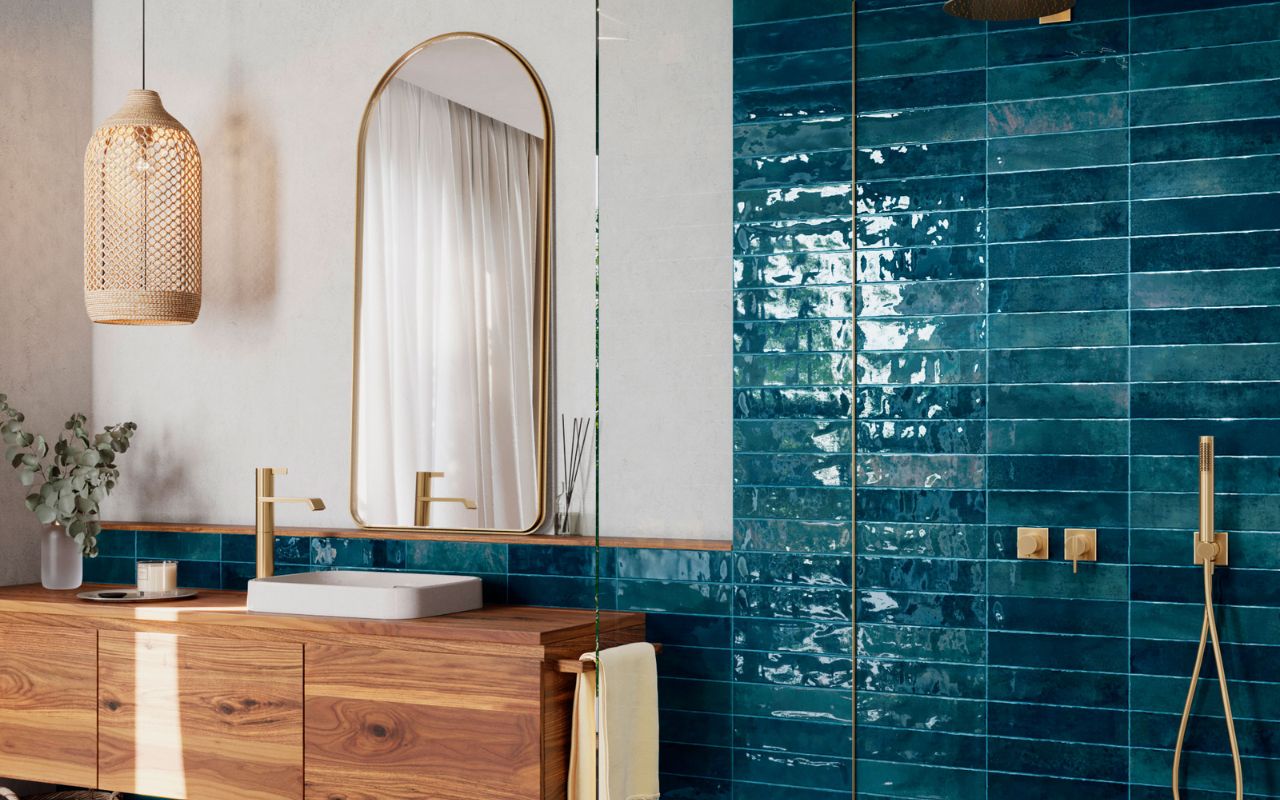
Basket weave layouts offer a more decorative alternative to standard metro tile arrangements without becoming overly complex. While basket weave introduces a woven, almost textile-like pattern, diagonal styling rotate the tiles to create a softer, more dynamic flow across the surface.
These options work particularly well when you want to add interest without relying on bold colours or contrasting materials. The pattern itself becomes the feature, allowing even simple tiles to feel more considered and design-led.
They are especially effective in:
- smaller feature areas such as niches or splashbacks,
- spaces where you want a subtle focal point rather than a dominant statement,
- interiors that balance classic elements with a slightly more creative edge.
Used thoughtfully, basket weave or diagonal layouts can elevate a simple metro tile into something far more distinctive, adding character while still maintaining a sense of cohesion within the space.
Offset variations: playing with the classic brick pattern
The traditional brick bond layout remains popular for a reason, but it does not have to be limited to the standard 50% offset. Adjusting the spacing can subtly change the entire look.
For example, a one-third offset creates a more relaxed and contemporary feel, while a tighter offset introduces a slightly more structured rhythm. These small changes can make a familiar layout feel fresh and intentional.
Some variations to consider include:
- 50% offset for a classic, timeless look,
- 1/3 offset for a softer, more modern appearance,
- mixed offsets for a more creative, bespoke effect.
If you are unsure how these variations will look in your own space, the Free Tile Visualiser on our website allows you to test different layouts and see how they interact with your chosen tiles, colours and grout before making a final decision.
Not sure which metro tiles to choose?
Check out our bestsellers and visit the Free Tile Visualiser to see how the tiles will look in your home!
Conclusion – Choose a layout that matches your style
Choosing the right configuration for metro tiles is just as important as selecting the colour or finish. The pattern you choose can entirely change how a space feels, from calm and minimal to dynamic and expressive.
Rather than defaulting to the standard brick bond, it is worth exploring alternative layouts that better reflect your style and the character of your home. Even subtle changes can have a significant impact on the final result.
Ultimately, the best layout is one that works with your space, enhances your design choices and feels cohesive with the rest of the interior.